Skip to content
Yannis MygdanisYannis MygdanisMusic educatorResearcherComposer
Designer of educational applications

Academic Publications

Edited volumes, journal articles, chapters in edited volumes, conference papers and published teaching scenarios. Bibliographic details, abstracts and links to available material.

ELEN
68Publications & scenarios
1Edited volumes
9Chapters in edited volumes
27Articles in scientific journals
30Articles in conference proceedings
1Published teaching scenarios

68 results

View:
Sort:

Edited volumes

1record
1.

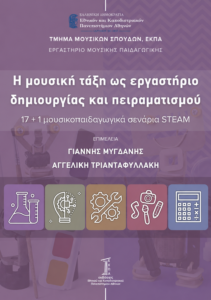
Yannis Mygdanis, Angeliki Triantafyllaki2025

National and Kapodistrian University of Athens Press

Mygdanis, Y., & Triantafyllaki, A. (Eds.). (2025). . National and Kapodistrian University of Athens Press.

Abstract

An edited volume bringing together 17+1 STEAM music-education scenarios, edited by Yannis Mygdanis and Angeliki Triantafyllaki. It presents approaches to the music classroom as a space for creation and experimentation.
Chapters in edited volumes

9records
9.

Mygdanis, Y.2027

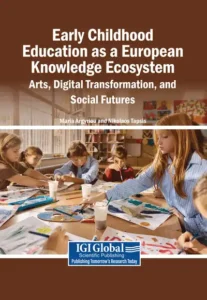
In M. Argyriou & N. Tapsis (Eds.), Early childhood education as a European knowledge ecosystem: Arts, digital transformation, and social futures (pp. 299–322). IGI Global Scientific Publishing.

Mygdanis, Y. (2027). . In M. Argyriou & N. Tapsis (Eds.), Early childhood education as a European knowledge ecosystem: Arts, digital transformation, and social futures (pp. 299–322). IGI Global Scientific Publishing. https://doi.org/10.4018/979-8-3373-9509-8.ch012

Abstract

Framed within the context of Music Education 4.0, this chapter explores how STREAM music scenarios can facilitate inclusive post-digital transformation in early childhood music education. The discussion integrates the STREAM perspective with constructionist learning, multimodal musical literacy, maker movement pedagogy, design thinking, and inclusive participation, emphasizing design principles that prioritize child agency, embodied making, role rotation, accessibility, narrative inquiry, scaffolding, documentation, sharing, and self-reflection. Emerging, immersive, and AI-mediated technologies are examined as pedagogical mediators capable of enhancing musical exploration, provided they remain developmentally appropriate, teacher-mediated, ethically sensitive, and grounded in clear musical objectives. In this context, early childhood music education evolves into a space where children can investigate sound, construct meaning, engage creatively with digital and physical materials, collaborate with others, and participate as co-authors of shared musical experiences.

8.

Mygdanis, Y.2025

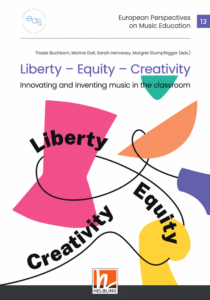
In T. Buchborn, M. Gall, S. Hennessy, & M. Stumpfögger (Eds.), Liberty–equity–creativity: Innovating and inventing music in the classroom (Vol. 13, pp. 207–220). Helbling.

Mygdanis, Y. (2025). . In T. Buchborn, M. Gall, S. Hennessy, & M. Stumpfögger (Eds.), Liberty–equity–creativity: Innovating and inventing music in the classroom (Vol. 13, pp. 207–220). Helbling. https://doi.org/10.25656/01:35270

Abstract

In this chapter, the author presents the work he designed and implemented with his young students (aged 8–11 years), in which he used technological-musical educational scenarios for musical creativity development. As a teacher-researcher, he applied strategies and devised activities drawing on music production, maker movement, and music programming to foster the students' creativity. His research asks whether such activities promote musical creativity, and also investigates the children's evaluative responses. Findings are positive and support the author's interest in developing the research further with the aim of bringing these technologies into the music classroom more widely. This chapter is part of the anthology European Perspectives on Music Education, Volume 13, which addresses topics such as inclusive practices, the role of technology, and teacher education. (DIPF/Orig.)

7.

Mygdanis, Y.2025

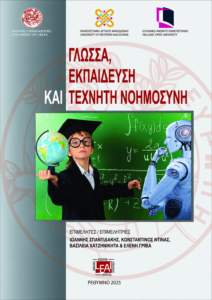
In I. Spantidakis, K. Dinas, V. Chatzinikita, & E. Griva (Eds.), Language, Education and Artificial Intelligence (pp. 845–856). University of Crete.

Mygdanis, Y. (2025). [in Greek]. In I. Spantidakis, K. Dinas, V. Chatzinikita, & E. Griva (Eds.), Language, Education and Artificial Intelligence (pp. 845–856). University of Crete.

Abstract

The rapid technological developments of recent years have transformed the ways in which people engage with music, generating new forms of expression, creation, and learning. In this context, artificial intelligence has become an integral part of everyday life, significantly influencing both music teaching and learning and practices of musical creation. This article discusses the results of using artificial-intelligence tools in creative and compositional strategies in primary school music education. Over a ten-week period, educational scenarios emphasizing the integration of emerging technologies into music production and creation were implemented with a group of twenty-three children in Grades 3–5 at Pierce – The American College of Greece. Drawing on the transdisciplinary STEAM model, the activities were extended through AI-related elements from different fields of knowledge. Data were collected through participant observation, informal discussions with the children, focus-group interviews, and written formative assessments. Students embraced the activities enthusiastically, particularly those involving AI, which encouraged them to explore new forms of expression and creation. Preliminary findings suggest that such tools can promote participation, deepen understanding of musical concepts, and foster creativity and computational thinking. At the same time, students demonstrated considerable awareness of potential AI-related challenges, adopting a critical stance particularly toward issues of transparency, reliability, and ethics. Overall, the findings provide important indications of the potential role of AI in music lessons while highlighting both new opportunities and new challenges for music pedagogy.

6.

Mygdanis, Y.2025

In Y. Mygdanis & A. Triantafyllaki (Eds.), The music classroom as a laboratory for creation and experimentation: 17+1 STEAM music-education scenarios (pp. 15–35). National and Kapodistrian University of Athens Press.

Mygdanis, Y. (2025). [in Greek]. In Y. Mygdanis & A. Triantafyllaki (Eds.), The music classroom as a laboratory for creation and experimentation: 17+1 STEAM music-education scenarios (pp. 15–35). National and Kapodistrian University of Athens Press.

Abstract

Contemporary approaches to music education increasingly emphasize learning environments that connect music with different fields of knowledge and foster creative, collaborative, and experiential learning. Within this context, the STEAM philosophy offers opportunities to reconceptualize the music classroom as a space for inquiry, making, and experimentation. This chapter seeks to define and clarify the framework for integrating STEAM practices into music pedagogy, examining the transition from STEM toward a more holistic and transdisciplinary approach. It discusses the concepts of cross-curricular, interdisciplinary, and transdisciplinary learning, as well as ways of connecting music with science, technology, engineering, and mathematics through authentic problems and experiential activities. Particular emphasis is placed on the maker movement, constructionism, and design thinking as foundations for developing creativity, collaboration, and computational thinking. Issues of design, prototyping, feedback, and authentic assessment are also discussed, with students positioned as active creators of musical artifacts.

5.

Mygdanis, Y., & Charalambidou, C.2025

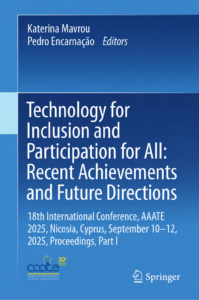
In K. Mavrou & P. Encarnação (Eds.), Technology for inclusion and participation for all: Recent achievements and future directions (pp. 429–436). Springer.

Mygdanis, Y., & Charalambidou, C. (2025). . In K. Mavrou & P. Encarnação (Eds.), Technology for inclusion and participation for all: Recent achievements and future directions (pp. 429–436). Springer. https://doi.org/10.1007/978-3-032-01628-7_51

Abstract

This study examines the design and implementation of educational scenarios created with Synth4kids, an innovative music-educational software designed for preschool education. Synth4kids offers an intuitive environment that fosters musical creativity, inclusion, and differentiated instruction through emerging and assistive capabilities. As an original and innovative tool designed for preschool education, it bridges accessibility gaps while promoting joyful, multisensory music-making. The intervention consisted of twelve weekly sessions, each lasting approximately 45 min, for four male children aged four to six years, at Baby Maestro Cyprus. Sessions were structured to integrate the AT and ET features of Synth4kids. In line with Universal Design for Learning principles, educational activities have been crafted to boost musical engagement in young children via personalized, play-based interactive experiences. The findings indicate that the early integration of assistive features, such as gaze control, motion tracking, tactile interfaces, and chromesthesia, significantly enhances accessibility, creativity, and social participation among learners with diverse profiles. Notably, incorporating Synth4kids into music teaching and learning activities demonstrates how AT tools promote agency, autonomy, and collaborative creativity, fostering new pedagogical approaches that enhance equity and engagement in music education. Overall, this study reveals that the thoughtful use of digital technologies can transform early childhood music education into an inclusive and dynamic learning environment.

4.

Mygdanis, Y.2023

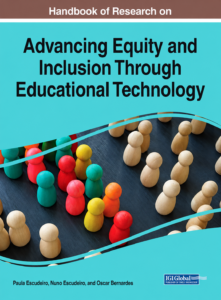
In P. Escudeiro, N. Escudeiro, & O. Bernardes (Eds.), Handbook of research on advancing equity and inclusion through educational technology (pp. 153–169). IGI Global.

Mygdanis, Y. (2023). . In P. Escudeiro, N. Escudeiro, & O. Bernardes (Eds.), Handbook of research on advancing equity and inclusion through educational technology (pp. 153–169). IGI Global. https://doi.org/10.4018/978-1-6684-6868-5.ch008

Abstract

Emerging technologies and digital media are continually transforming the ways people interact with music and expand the ways of musical expression, creation, learning, and education. Children today grow up in a digital environment that shapes their musical preferences and experiences, contributing to new kinds of musical literacies. As digital natives, they have been exposed to more diverse musical stimuli than their parents and teachers were and expect to engage with these in educational contexts. In this context, the role of digital technology in music classes can play a fundamental role in enhancing participation and forming inclusive music teaching-learning environments. Moreover, the incorporation of technology from an educational perspective provides opportunities for cultivating equity and eliminating barriers to musical learning. The aim of this chapter is to encourage a new approach to music education that integrates educational technology to promote inclusion in music teaching and learning.

3.

Kokkidou, M., & Mygdanis, Y.2021

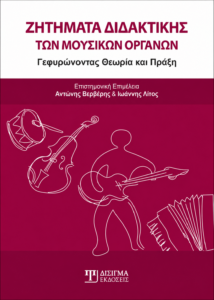
In A. Ververis & I. Litos (Eds.), Issues in instrumental teaching-learning: Linking theory with practice (pp. 110–124). Disigma.

Kokkidou, M., & Mygdanis, Y. (2021). [in Greek]. In A. Ververis & I. Litos (Eds.), Issues in instrumental teaching-learning: Linking theory with practice (pp. 110–124). Disigma.

Abstract

Popular Music Pedagogy is a relatively recent field within instrumental teaching, encompassing approaches and models that take into account the environments in which popular musicians perform and create, as well as the values and codes of popular music culture. Common principles include playing by ear, participatory performance and creation, the use of technology, the encouragement of improvisational skills, and practices informed by informal and non-formal learning, particularly as articulated by Lucy Green. Students are placed at the centre of the learning process: they are given opportunities to select the repertoire they wish to explore, broaden their musicianship by engaging in diverse musical roles—such as singer-songwriters, producers, and sound designers—and draw upon musical experiences from everyday life. The challenge for educators is to enrich traditional systems of instrumental teaching, which often emphasize notation and technical proficiency, while critically considering the continuing dominance of Western art music within conservatoire curricula. Although many music institutions now offer instrumental and theory courses in selected areas of popular music, research suggests that core teaching practices often continue to reproduce nineteenth-century models. This chapter outlines and discusses key principles and methodologies of Popular Music Pedagogy that can support students in constructing musical experiences, knowledge, and skills while engaging with the broader world of popular music and culture.

2.

Mygdanis, Y.2021

In A. Ververis & I. Litos (Eds.), Issues in teaching musical instruments: Bridging theory and practice (pp. 342–362). Disigma.

Mygdanis, Y. (2021). [in Greek]. In A. Ververis & I. Litos (Eds.), Issues in teaching musical instruments: Bridging theory and practice (pp. 342–362). Disigma.

Abstract

Rapid changes in the contemporary digital era continuously reshape the ways in which today’s students engage with music, influencing their musical experiences and preferences. Within this context, instrumental teachers need to take into account students’ expectations regarding the integration of contemporary technologies into their lessons. This requires familiarity with digital media and encompasses a broad range of practices, from digital notation and performance recording to music production (performance, editing, mixing, etc.), creative coding, interactive applications, and the use of tangible interfaces and microprocessors. A central premise is that the learning process and the degree of student engagement are as important as the final outcome and should always be considered in relation to each learner’s individual pace. Research in the field suggests that digital media in instrumental learning can broaden ways of understanding music, contribute to the development of new literacies and twenty-first-century skills—including innovation, creativity, critical thinking, and problem-solving—and encourage active learning and inquiry. This chapter discusses areas and modes of integrating digital media into individual and group instrumental lessons, accompanied by examples of practical application.

1.

Mygdanis, Y.2018

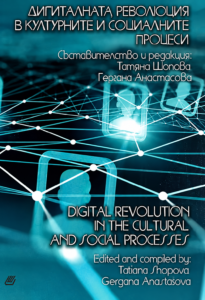
In T. Shopova & G. Apostolova (Eds.), The digital revolution in the cultural and social processes (pp. 229–240). University Publishing House “Neofit Rilski”.

Mygdanis, Y. (2018). . In T. Shopova & G. Apostolova (Eds.), The digital revolution in the cultural and social processes (pp. 229–240). University Publishing House “Neofit Rilski”.

Abstract

Nowadays, children grow up in a digital-cultural environment that forms their music experiences. However, traditional music-educational methods, designed many decades ago, do not involve new technologies or the use of electronic sounds and instruments in their content. In this respect, a vital part of children's music preferences is not expressed. In recent years, as an attempt to integrate digital media into early musical lessons, some virtual instruments have been developed. However, most of them consist of reproductions of acoustic instruments (pianos, glockenspiels, percussion) without taking advantage of the expanded capabilities of new technologies. This paper aims to present Synth4kids, an original music-making web-application created for children aged 5 to 8 years. Synth4kids is a monophonic virtual instrument synthesizer based on analog synthesis, incorporating elements from the traditional music-educational methods, oriented toward music lessons. It is also compatible with all tablets and computers and can be used alone or in conjunction with acoustic and Orff instruments. Furthermore, it benefits from the tablets' tilt sensor and touch screen, enabling extended kinaesthetic experiences. All in all, it offers opportunities for extended sound experimentation and improvisation, allowing children to get in touch with electronic music.

Articles in scientific journals

27records
27.

Mygdanis, Y.In press

Organised Sound, 32(1).

Mygdanis, Y. (in press). . Organised Sound, 32(1).

Abstract

This article examines sound-based pedagogy in Greek primary music education from a post-digital perspective and presents a school-based pedagogical framework developed and applied over three consecutive school years in Athens. Each annual cycle lasted fifteen weeks and involved Grade 5 and Grade 6 students. The framework combined listening-centred, ecological, maker-oriented and technologically mediated practices in primary music learning. Grounded in acoustic ecology, ubiquitous music ecologies, science, technology, engineering, the arts and mathematics (STEAM) and maker education, it encompassed field recording, tactile and compositional work, immersive media and artificial intelligence (AI)-mediated sound-making. The study employed design-based research and used focus-group interviews, field notes, informal discussions, formative assessments and student portfolios as data sources. Thematic analysis identified four interrelated themes centred on mediated ecological listening, sound as transformable musical material, do-it-yourself (DIY) making and creative agency, and ecological reflection in digital, immersive and AI-mediated practices. Findings from the annual iterations revealed recurring patterns of active listening, creative decision-making and ecological awareness alongside a consistent role for technological mediation. The study offers an adaptable framework for post-digital sound-based pedagogy in primary music education.

26.

Mygdanis, Y.2026

GAS Journal of Arts Humanities and Social Sciences, 4(9), 1–18.

Mygdanis, Y. (2026). . GAS Journal of Arts Humanities and Social Sciences, 4(9), 1–18. https://doi.org/10.5281/zenodo.22788725

Abstract

Early childhood music education is increasingly shaped by post-digital conditions in which musical learning develops through the interaction of children, educators, bodies, materials, sounds, technologies, and social relationships. From a Music Education 4.0 perspective, digital transformation is approached as a pedagogical process that connects technological mediation with embodied exploration, creativity, participation, and musical meaning-making. Drawing on post-digital music education, constructionist and making-centered learning, multimodal musical literacy, STREAM-oriented approaches, and participatory pedagogies, the discussion examines how emerging, immersive, and AI-mediated technologies can support developmentally appropriate and meaningful musical experiences in the early years. Particular attention is given to music production, tactile interaction, creative coding, immersive media, and artificial intelligence as resources for listening, experimentation, representation, problem-solving, and collaborative creation. Their pedagogical value is considered in relation to accessibility, educator mediation, ethical awareness, and the opportunities they create for children’s agency and multimodal participation. The discussion also proposes design principles for flexible post-digital music learning environments and illustrates their application through early childhood music scenarios. Music Education 4.0 is positioned as a human-centered perspective for connecting technological change with creativity, participation, inclusion, and shared musical experience.

25.

Mygdanis, Y.2026

Global Academic and Scientific Journal of Multidisciplinary Studies (GASJMS), 4(9), 39–54.

Mygdanis, Y. (2026). . Global Academic and Scientific Journal of Multidisciplinary Studies (GASJMS), 4(9), 39–54. https://doi.org/10.5281/zenodo.22811315

Abstract

Extended Reality (XR) is increasingly discussed in educational research as a medium for experiential learning, multimodal meaning-making, and creative engagement. School-based applications, however, often remain focused on individual activities or technologies. This chapter presents Pierce XRLab, a two-year XR curriculum for Grades 8–9 developed as a standalone middle school course for implementation within short lesson periods and shared device conditions. Sixteen units, eight in each grade, are organized in a spiral sequence that revisits key concepts under progressively more demanding interpretive, critical, and design conditions. XR is understood as a learning environment and as a representational and cultural medium that can shape perception, credibility, identity, and participation. The model draws on constructivist and constructionist learning, embodied cognition, experiential and pragmatist traditions, and critical media literacy. Four recurring spiral axes, developed through iterative curriculum organization and revision, make the conceptual progression explicit and focus on embodied engagement, representation and illusion, culture and identity, and experience design, critique, and ethics. Assessment is organized around three recurring evidence types, Experience Logs, Critical Briefs, and Design Artifacts. Implementation emphasizes repeatable instructional routines, resource-conscious technology choices, flexible substitution of technologies, classroom rotation, and explicit safety practices. The chapter contributes a curriculum-level model connecting longitudinal conceptual progression, recurring evidence of learning, and classroom enactment within routine school time and resource constraints. Empirical findings from the ongoing design-based research study fall outside the scope of the present chapter.

24.

Mygdanis, Y.2025

Journal of Culture in Tourism, Art and Education, 5(3), 80–90.

Mygdanis, Y. (2025). [in Greek]. Journal of Culture in Tourism, Art and Education, 5(3), 80–90. https://doi.org/10.26220/cul.5464

Abstract

Artificial Intelligence (AI) is one of the emerging technologies that is continually reshaping the educational landscape, creating new opportunities as well as challenges for music teaching and learning. This article examines the affordances, limitations, and pedagogical implications of integrating AI practices into primary music education within a multimodal, creative, collaborative, and experiential approach grounded in the STEAM philosophy. Drawing on applied practices from authentic scenarios and empirical interventions, and adopting a human-centred view of AI, the article proposes activities involving the creation of artifacts—such as audio stories and podcasts—using language models; the use of AI in music theory and history; the design of interactive applications through machine learning; the construction of digital musical instruments; and the development of immersive soundscapes in virtual-reality environments. Particular attention is given to the limitations and ethical dimensions of AI use, especially issues of authenticity, intellectual property, algorithmic transparency, and the need to cultivate students’ critical awareness. AI is approached not as an end in itself, but as a means of enriching and recontextualizing teaching and learning practices in primary music education.

23.

Mygdanis, Y.2025

New Pedagogue, 49, 239–264.

Mygdanis, Y. (2025). [in Greek]. New Pedagogue, 49, 239–264.

Abstract

This article examines Design-Based Research (DBR) as a methodological approach in music education, focusing on both its philosophical and theoretical foundations and the research practices that make it particularly suitable for developing educational innovations. It first outlines key principles of DBR, including the collaborative nature of design, implementation in authentic educational settings, and the iterative relationship among design, enactment, and revision. Through this process, DBR emerges as an approach capable of generating knowledge that is locally valid while also being theoretically grounded in relation to music teaching and learning. The article then distinguishes DBR from other research methodologies, including action research, ethnographic research, and case studies, in order to clarify differences in methodological perspective and highlight its pedagogical advantages. Finally, examples of DBR applications in music education from the international literature are presented, together with directions for future research, emphasizing the potential of DBR to support the development of innovative pedagogical practices and the formulation of new theories of music teaching and learning.

22.

Mygdanis, Y.2025

Open Journal of Animation, Film and Interactive Media in Education and Culture, 6(1).

Mygdanis, Y. (2025). [in Greek]. Open Journal of Animation, Film and Interactive Media in Education and Culture, 6(1). https://doi.org/10.12681/afiinmec.40976

Abstract

Recent trends in music pedagogy focus increasingly on the ways in which the arts intersect with contemporary and emerging technologies, reshaping both teaching practices and the knowledge and skills required by twenty-first-century learners. Within this context, digital storytelling and animation emerge as dynamic approaches and teaching strategies that open new pathways for innovative forms of music teaching and learning. This article examines the role and added pedagogical value of digital storytelling and animation in music education, with particular emphasis on the development of soft skills and media literacies. From the perspective of multimodal and transdisciplinary learning within a STEAM educational framework, it explores how these two pedagogical applications integrate audiovisual elements and foster students’ creativity, critical thinking, and collaboration. Through examples of educational applications, the article highlights connections between music, technology, and digital storytelling practices, as well as the possibilities offered by educational coding environments for the development of multimedia projects. It also considers pedagogical challenges related to instructional design, assessment, and teacher professional development.

21.

Mygdanis, Y.2025

Global Academic and Scientific Journal of Multidisciplinary Studies, 3(10), 10–20.

Mygdanis, Y. (2025). . Global Academic and Scientific Journal of Multidisciplinary Studies, 3(10), 10–20. https://doi.org/10.5281/zenodo.17345926

Abstract

Recent technological advancements have consistently redefined the ways in which individuals engage with music, fostering novel perspectives on expression, interaction, and learning. Children of the digital age are growing up in environments that expand their musical experiences and preferences, while also posing challenges to music education. This scholarly investigation explores the emergence and evolution of learning environments through the design and implementation of STREAM-based instructional scenarios in primary education. Specifically, it examines the experiences of students in grades three through five and analyzes the utilization of emerging technologies, including music production, ubiquitous and mobile music computing, creative coding, immersive technologies, and artificial intelligence. The intervention was conducted as a music club at a private educational institution over three academic years, each comprising thirty weeks. The research approach was based on Design-Based Research, which integrates theory, design, and practice through iterative cycles aimed at developing and continuously refining authentic learning experiences. The findings indicate that students enhanced their creative expression, autonomy, self-regulation, sensory engagement, and collaborative problem-solving capabilities, while also advancing computational thinking by integrating physical and digital musical realms. Overall, this study advocates for a pedagogically sound, human-centered, and post-digital framework for music education, emphasizing a paradigm shift that aligns with the new perspectives and opportunities presented by the contemporary digital landscape.

20.

Mygdanis, Y.2025

Futurity Education, 5(2), 90–114.

Mygdanis, Y. (2025). . Futurity Education, 5(2), 90–114. https://doi.org/10.57125/FED.2025.06.25.05

Abstract

This article examines the integration of Design-Based Research (DBR) into music education, concentrating on its philosophical underpinnings, methodological features, and its potential to yield transformative educational practices. The study analyzes DBR as a cyclical and iterative process that interweaves design, implementation, and reflection within authentic learning environments through a theory-driven synthesis and methodological literature review. Its originality lies in bridging the rich international discourse on DBR with the underrepresented field of music pedagogy, offering a comprehensive framework that integrates theories such as constructivism, conceptual change, activity theory, and cognitive apprenticeship. The article examines how DBR can inform the design of music learning environments responsive to students’ needs, culturally situated, and pedagogically adaptive. It highlights key challenges—such as the demands of long-term field engagement, the complexity of data management, and questions of generalizability—while emphasizing DBR’s capacity to produce grounded, flexible, and theory-informed solutions. Practical examples from recent studies illustrate its application across diverse musical contexts, including digital composition tools, informal music-making, community-based practices, and teacher education. By framing teaching as a design act and theory as emergent from practice, DBR is presented as a methodology and a dynamic stance toward innovation. It empowers music educators to act as reflective practitioners and co-researchers, supporting sustainable educational change. The article concludes by proposing directions for future research that expand the role of DBR in advancing inclusive, creative, and context-sensitive approaches to music learning.

19.

Mygdanis, Y.2025

Musical Pedagogics, 23(1), 50–71.

Mygdanis, Y. (2025). [in Greek]. Musical Pedagogics, 23(1), 50–71. https://doi.org/10.12681/musped.45724

Abstract

Recent technological developments have reshaped the ways in which individuals engage with music, creating new possibilities for expression, interaction, and learning. Children growing up in the digital era encounter musical experiences across diverse environments, posing parallel challenges for music pedagogy. This study examines the design and implementation of STREAM-oriented learning environments in primary education, investigating students' experiences in Grades 3 to 5 and their engagement with emerging technologies—such as music production, ubiquitous and mobile music computing, and creative coding—as well as immersive technologies and artificial intelligence. The intervention was implemented as a music club in a private school and spanned three academic years, with thirty weeks per cycle. The methodological framework was grounded in design-based research. Findings indicate that students developed creative expression, autonomy, self-regulation, sensory engagement and collaborative problem-solving, while also cultivating computational thinking skills through the creative use of physical and digital musical worlds. Overall, the study proposes a pedagogically grounded, human-centred and post-digital framework for music teaching and learning, positioning it as a paradigm shift aligned with the affordances of contemporary educational contexts.

18.

Charalambidou, C., & Mygdanis, Y.2025

International Journal of Music in Early Childhood, 20(2), 177–200.

Charalambidou, C., & Mygdanis, Y. (2025). . International Journal of Music in Early Childhood, 20(2), 177–200. https://doi.org/10.1386/ijmec_00085_1

Abstract

In recent years, rapid technological advancements have transformed the ways people interact with music. Children of the digital era are immersed in environments that expand both their musical experiences and preferences. The emergence of digital technology has paved the way for the creation of learning environments and software tailored to young children’s education. These tools aim to establish a new educational framework that is distinct from traditional approaches. However, music education does not seem to align with this new digital educational context, as it continues to emphasize instructional models developed decades ago – models that typically exclude the use of digital technologies in their content. This article presents the findings of an educational intervention designed to integrate and utilize digital media in pre-school and early primary music education, utilizing the music educational software Synth4kids. The research results demonstrate the creation of a new technology-enhanced learning environment where children found meaning and participated actively and enthusiastically in authentic music teaching and learning situations, transforming their experiences and acquiring new musical and technological skills.

17.

Kokkidou, M., & Mygdanis, Y.2024

Journal of Culture in Tourism, Art and Education, 4(2), 33–43.

Kokkidou, M., & Mygdanis, Y. (2024). [in Greek]. Journal of Culture in Tourism, Art and Education, 4(2), 33–43. https://doi.org/10.26220/cul.5022

Abstract

School bullying refers to a condition of persistent and systematic victimization of an individual. Through targeted verbal and/or physical actions, it produces emotional responses and social consequences. In educational settings, the multiple forms of bullying and peer poly-victimization constitute a significant problem that requires the attention of parents, teachers, school leaders, care providers, and policymakers. The variety of manifestations and the different roles of those involved are linked to individual and social factors both within and beyond the school, making intervention complex and often difficult to implement effectively. Violence may represent the endpoint of an escalating pattern of harassment and contribute to a culture that tolerates prejudice. This article develops proposals for the prevention and management of school bullying from the perspectives of critical education and social justice. Since punitive practices, suspensions, and exclusions have been shown to produce counterproductive outcomes in the management of victimization, schools need to cultivate self-awareness, respect, and freedom by connecting school life with the wider social world. Within this framework, the role of schools and educators becomes central, together with the equally significant contribution of parents and guardians.

16.

Charalambidou, C., & Mygdanis, Y.2024

International Journal on Integrating Technology in Education, 13(3), 65–76.

Charalambidou, C., & Mygdanis, Y. (2024). . International Journal on Integrating Technology in Education, 13(3), 65–76. https://doi.org/10.5121/ijite.2024.13305

Abstract

The rapid technological advancement of recent years has transformed how people interact with music. In a world where digital transformation is accelerating, the role of technology in music education has become increasingly crucial. In particular, digital platforms and tools are reshaping the way music is taught, especially for younger generations. Children in the digital age are exposed to various musical experiences and preferences. This has led to the development of digital learning environments and software for preschool children, creating a fundamentally new educational framework. However, music pedagogy often relies on traditional teaching models that do not incorporate digital technologies. This article discusses findings from an educational intervention using the Synth4kids software in early childhood music education. Synth4kids offers new avenues for educators to incorporate technology into early childhood education, encouraging creativity, collaboration, and engagement. The study highlights how combining technology and music pedagogy can enrich the learning experience for young children. The results highlight a new techno-centric learning environment where children engage actively and enthusiastically in authentic music teaching and learning situations, transforming their experiences and developing new musical and technological skills. Additionally, the study shows the importance of designing child-friendly software that balances educational goals with playful engagement.

15.

Mygdanis, Y.2023

Educ@tional Circle, 11(2), 25–41.

Mygdanis, Y. (2023). [in Greek]. Educ@tional Circle, 11(2), 25–41.

Abstract

Assessment is a powerful methodological tool for every educator and should be integrated throughout all stages of music teaching and learning, with attention to the creative, aesthetic, and social dimensions of music and with the learning process itself at its core, as part of the relationship between teacher and student. These principles do not appear to be reflected in conservatoire education, where a traditional model of music teaching has remained largely unchanged for almost seventy years. Emphasis is placed on music reading and performance, teachers retain a dominant role in lessons, and examinations rely exclusively on numerical grading. Such conditions are expected to influence musical learning. This article investigates forms of assessment in conservatoire education, with particular emphasis on instrumental examinations. More specifically, records from piano examination proceedings at a conservatoire in Greece over an eleven-year period are analysed. The findings reveal weaknesses and limitations in the overall processes of assessment and learning while, at the same time, highlighting an urgent need for change in the educational framework of conservatoires.

14.

Mygdanis, Y.2023

Journal of Culture in Tourism, Art and Education, 3(5), 67–75.

Mygdanis, Y. (2023). . Journal of Culture in Tourism, Art and Education, 3(5), 67–75. https://doi.org/10.26220/cul.4599

Abstract

Playing is an integral part of children's daily lives in all cultures. In our current era, which is mainly digital, a vital part of children's lives involves using digital media and, consequently, digital games. Incorporating educational video games into formal or informal teaching-learning processes can increase students' interest and motivation, as well as active participation in lessons within a playful, interactive learning environment. In this context, digital game design is critical to its effective use in the educational process, enabling rich learning environments through specific teaching objectives based on current learning theories and students' age-related and developmental characteristics. In this article, we explore three innovative digital educational musical games that were specifically designed to align with the content of admission exams at Music Schools in Greece. These engaging applications were developed by the Music Schools working project group of the Greek Society for Music Education (G.S.M.E.) as a valuable instructional resource for exam preparation. At the same time, they create conditions for integration into both conservatoire and primary school music teaching-learning processes, providing creative teaching extensions.

13.

Mygdanis, Y., & Perakaki, E.2023

Asia-Pacific Journal for Arts Education, 22(5), 1–30.

Mygdanis, Y., & Perakaki, E. (2023). . Asia-Pacific Journal for Arts Education, 22(5), 1–30.

Abstract

Technological progress over the course of the past few decades has transformed how children interact with sound and music, offering new and extended ways of expression, creation, and learning. This digital environment can provide opportunities for constructing a framework for sound perception, musical praxis, and the enhancement of creativity, while the emergence of cross-platform technologies and a growing variety of hardware and software support these developments within an emerging context of ubiquitous acoustic ecologies. The aim of this research was to implement educational scenarios in music lessons following such ecological perspectives through a pilot study involving children aged 7 to 9 in a conservatoire setting in Greece. The activities in the current practical intervention were designed following a STEAM project-based learning approach, which offers students cooperative activities, transdisciplinarity, game-based and playful learning, augmented reality, and authentic problem-solving experiences. Analysis revealed four distinct, emerging thematic categories that drew on the development of auditory perceptual ability and creativity, the cultivation of computational thinking, and the shaping of digital and physical musical worlds. The results of the educational intervention underlined the fundamental role of ubiquitous music ecologies in planned actions, which served to widen students’ musical horizons.

12.

Mygdanis, Y., & Papazachariou-Christoforou, M.2023

Journal of Music, Technology & Education, 16(1–2), 99–118.

Mygdanis, Y., & Papazachariou-Christoforou, M. (2023). . Journal of Music, Technology & Education, 16(1–2), 99–118. https://doi.org/10.1386/jmte_00062_1

Abstract

In the past decade, there has been a significant effort to incorporate maker culture principles and techniques into education. By following the STEAM education perspective, integrating maker movement educational scenarios presents an opportunity to establish a cutting-edge musical-technological learning atmosphere in music classes. This article delves into the results of an educational intervention conducted in a theory of music course at a Greek conservatoire. The aim of the research was to design and implement teaching scenarios built on the maker movement with a group of four students aged between 6 and 7 years, using the music educational software Synth4kids and the Makey-Makey interface as the main methodological tools. The primary objectives were to explore the students’ experiences and perceptions of the learning process within this new educational environment and to examine the perceived development of their knowledge and skills. The findings of the pilot study indicate that the students actively and enthusiastically engaged in constructing musical artefacts and immersed themselves in music-making as active participants, leading to the acquisition and transformation of musical and technological skills through meaningful experiences. In short, it is revealed that findings converge with existing research in the field.

11.

Mygdanis, Y.2022

International Journal on Integrating Technology in Education, 11(2), 103–120.

Mygdanis, Y. (2022). . International Journal on Integrating Technology in Education, 11(2), 103–120. https://doi.org/10.5121/ijite.2022.11207

Abstract

This paper presents the development of Synth4kids, music-educational software for music teaching-learning processes designed for children aged five to eight years. Synth4kids integrates elements from traditional music-pedagogical methods –Dalcroze Eurhythmics, Orff Schulwerk, Kodály Method– along with features aligned with the incorporation of emerging technologies in music education –augmented reality, the use of tangible interfaces/sensors, eye-tracking processes, QR-code implementation, and collaborative online music practices– providing new and extended ways of music-making, expression, and learning for young children. As a pedagogical tool, it was designed with the ultimate goal of being incorporated into musical-educational activities following a STEAM perspective, based on project-based, inquiry-based, and cooperative learning, transdisciplinarity, as well as game-based and authentic problem-solving experiences.

10.

Mygdanis, Y., & Papazachariou-Christoforou, M.2022

Musical Pedagogics, 20(1), 31–53.

Mygdanis, Y., & Papazachariou-Christoforou, M. (2022). [in Greek]. Musical Pedagogics, 20(1), 31–53. https://doi.org/10.12681/musped.46149

Abstract

In recent decades, a strong research interest has been observed regarding the integration of artifact-making practices and strategies in teaching-learning processes. Reflecting the philosophy of the STEAM educational approach, the design and implementation of maker culture teaching scenarios in the classroom create the conditions for transforming music education processes and fostering a new technological-musical environment. This article presents preliminary findings from a practical intervention utilizing the musical educational software Synth4kids. The aim was to investigate the experiences of a group of four children aged six to seven years involved in maker movement activities in the first year of the course "theory of music" in a Greek conservatory. The research questions investigated the participants’ learning process by examining their perceptions of their experiences and exploring the knowledge and skills they appeared to have acquired. Educational activities seemed to offer meaningful experiences to the children, who participated actively and enthusiastically in the new musical-technological learning environment. They expressed the unique value of their involvement while, at the same time, their musical and technological knowledge and skills expanded beyond the learning outcomes of the "theory of music" course to include the cultivation of computational thinking and the development of creativity.

9.

Kokkidou, M., Kondylidou, A., & Mygdanis, Y.2021

Multilingual Academic Journal of Education and Social Sciences, 9(1), 176–196.

Kokkidou, M., Kondylidou, A., & Mygdanis, Y. (2021). . Multilingual Academic Journal of Education and Social Sciences, 9(1), 176–196. https://doi.org/10.46886/MAJESS/v9-i1/7364

Abstract

In the process of improving schools and education systems, curriculum assessment and revision are of great importance. The comparative study of curricula from other countries can influence educational reform decisions at national, local, and regional levels, either productively or through conflicting processes that ignore a country's educational conditions. In this paper, the findings of comparative research on the official music curricula of Greece, Sweden, and Japan will be presented. The benchmarks are based on a current literature review. Similarities and differences among the three curricula will be considered in relation to the specificity of the educational systems and the cultural context of each country, as well as the importance of music education. Finally, efforts will be made to identify borrowing practices and the extent to which curricula are aligned with a common standard. This study is based on the premise that we better understand a curriculum when we study it in comparison with others, as hidden aspects of education policy emerge and alternative approaches to educational implementation are revealed.

8.

Mygdanis, Y., & Papazachariou-Christoforou, M.2021

International Journal of Educational Innovation, 3(3), 66–77.

Mygdanis, Y., & Papazachariou-Christoforou, M. (2021). [in Greek]. International Journal of Educational Innovation, 3(3), 66–77. https://doi.org/10.69685/CBKE7861

Abstract

Rapid changes in contemporary society continually transform the ways in which people engage with music, shaping their experiences and preferences. Within this constantly evolving digital environment, music educators are increasingly called upon to consider students’ needs and expectations for learning activities that incorporate digital media. This article investigates the perceptions and attitudes of a group of music teachers who participated in an online professional-development intervention focusing on ways of integrating the interdisciplinary STEAM model into music lessons, particularly in relation to the use of contemporary technologies in music education. More specifically, the study aims to present participants’ views and attitudes toward the integration of programming practices into music teaching and learning and to investigate whether these views were transformed following completion of the workshop.

7.

Mygdanis, Y., & Kokkidou, M.2021

Tehnologii informatice şi de comunicaţii în domeniul muzical, 12(2), 7–22.

Mygdanis, Y., & Kokkidou, M. (2021). . Tehnologii informatice şi de comunicaţii în domeniul muzical, 12(2), 7–22. https://doi.org/10.47809/ICTMF.2021.02.01

Abstract

In the last decades, the vast development of emerging technologies has transformed the ways people engage with music, expanding the affordances of music expression, creation, learning, and education. Music production software allows artists to create songs collaboratively in digital contexts without necessarily being in physical contact. Likewise, many young people produce songs alone or with peers, constructing musical experiences through informal kinds of learning. Although several studies have focused on integrating technological-based activities in school music education, the research interest in conservatoire education is limited. The COVID-19 pandemic crisis and the need for an urgent shift to online educational environments revealed numerous problems concerning the use of technology. Both teachers and students faced difficulties operating and effectively continuing studio lessons online. Some recognized the situation as a dead end for conservatoire education, while others perceived it as a prompt for innovative and creative solutions. The present article discusses the findings of a pilot distance music-technological project with adolescents in conservatoire education during the COVID-19 pandemic. The primary aim was to investigate students' musical-technological experiences, the knowledge and skills they acquired, as well as the development of their musical creativity through collaborative DIY music production practices. In particular, our purpose was to develop a more nuanced understanding of how the students experienced their work and learning using a DAW (BandLab). The results support the view that merging traditional and online teaching-learning procedures in a hybrid approach can open new pathways in music education.

6.

Mygdanis, Y., & Kokkidou, M.2021

Musical Pedagogics, 19, 42–63.

Mygdanis, Y., & Kokkidou, M. (2021). [in Greek]. Musical Pedagogics, 19, 42–63.

Abstract

Technological developments are advancing rapidly, transforming people’s musical experiences, and opening new horizons in musical expression, creation, and education. Interacting with music has become more and more digital. Many artists create pieces with music production software in a collaborative context, without necessarily working in the same space with others. Similarly, many young people gain musical experiences through learning alone or with friends. Although there are numerous studies on incorporating technology-based activities in school music education, research interest in conservatoire education and instrumental distance learning is much more restricted. To that extent, the COVID-19 pandemic crisis and the abrupt transition to online educational environments brought to the fore several existing problems (e.g. technological training of music teachers, hesitation about implementing technology) and created an uncertain environment that also affected students. Teachers had to continue their lessons on their own. Some perceived the situation as a dead-end, while for others, it was an impetus for new creative solutions. This article presents the results from implementing a pilot distance music-technological project in conservatoire education during the COVID-19 pandemic. The aim was to explore students’ musical-technological experiences, knowledge and skills, as well as the development of musical creativity through collaborative DIY music production practices using DAW software. The findings provide a first overview of distance music education, its positive impact, and its potential to function in a complementary relationship with the conventional model.

5.

Mygdanis, Y., & Kokkidou, M.2020

iTeacher, 23, 117–125.

Mygdanis, Y., & Kokkidou, M. (2020). [in Greek]. iTeacher, 23, 117–125.

Abstract

The integration of new technologies into music teaching and learning constitutes an important challenge for music pedagogy, as contemporary environments for constructing musical experience are becoming increasingly digital and multimodal. The incorporation of digital media into music lessons can provide new motivations for learning and offer students opportunities to engage more deeply with a range of musical domains. Creative coding is a practice of code development oriented toward the production of expressive outcomes. Research in the field points to the positive effects of using creative coding as a teaching tool for developing students’ creativity and collaborative skills, as well as for promoting a deeper understanding of musical concepts at both musical and technological levels. This article focuses on the integration of creative coding into music lessons through the use of Sonic Pi, a programming language specifically oriented toward music education.

4.

Kokkidou, M., & Mygdanis, Y.2020

Series Musicologica Balcanica, 1(1), 320–337.

Kokkidou, M., & Mygdanis, Y. (2020). . Series Musicologica Balcanica, 1(1), 320–337. https://doi.org/10.26262/smb.v1i1.7763

Abstract

In our increasingly multimodal era, it is widely recognized that music educators ought to consider anew which approaches are more effective in engaging students with music, what it means to teach music in a multimodal context, and what changes in pedagogy, curriculum, and methodologies are needed. Whereas traditional notions of music theory focus primarily on reading and writing music through standard notation and musical symbols, multimodal multisensory activities allow new types of musical understanding and learning, leading to the formation of new types of music literacies. However, "Theory of Music" courses in Greece, as part of the overall music conservatory curriculum in use for more than 60 years, are not consistent with the current philosophical trends in the field of music education. In this article, we argue that music teachers in "Theory of Music" classrooms can incorporate multimodal multisensory activities – aural, visual, tactile, and kinesthetic – in order to reinforce the perception of abstract musical concepts. Furthermore, preliminary findings of a pilot study in conservatory settings will be presented, along with the development of musical-educational activities based on a multimodal and multisensory music teaching-learning approach.

3.

Mygdanis, Y., & Kondylidou, A.2020

Open Education: The Journal for Open and Distance Education and Educational Technology, 16(1), 78–89.

Mygdanis, Y., & Kondylidou, A. (2020). [in Greek]. Open Education: The Journal for Open and Distance Education and Educational Technology, 16(1), 78–89. https://doi.org/10.12681/jode.22991

Abstract

In recent years, rapid developments in distance education have shaped a pedagogical framework that differs substantially from conventional forms of teaching. Within this context, Massive Open Online Courses (MOOCs) have emerged as a rapidly expanding educational model. Some regard MOOCs as a major educational innovation with the potential to transform education, while others raise concerns about the absence of a coherent pedagogical model. MOOCs have become established as part of distance higher education, and the involvement of libraries is of critical importance, just as it is in face-to-face courses, creating both new challenges and expanded opportunities. Nevertheless, digital libraries have not yet assumed an active role in the organization of MOOCs because of the particular nature of these courses, copyright and licensing issues, and the continuously evolving educational framework. This article examines how libraries may adapt to MOOCs through the design of a model that clarifies the limitations and challenges involved, with the aim of enabling libraries to develop a distinct role within the constantly evolving online educational environment.

2.

Mygdanis, Y., & Kokkidou, M.2018

Musical Pedagogics, 16, 28–48.

Mygdanis, Y., & Kokkidou, M. (2018). [in Greek]. Musical Pedagogics, 16, 28–48.

Abstract

"Theory of Music" is a course taught in all conservatories and music schools in Greece. The current curriculum (Royal Decree 11.11.57, GG 229 / A / 57) remains unchanged for more than 60 years and provides some guidelines, in a very concise way, mainly for organizing the content of the course. As a result, it is inconsistent with the modern trends dominating the field of music education. The aim of this article is to investigate and assess the teaching-learning process of this course in conservatories and music schools. For that reason, a qualitative study was conducted with two methodological tools: critical deconstruction of the current music curriculum and semi-structured interviews with music educators who teach the "Theory of Music" course. According to the results, the need for redesigning the curriculum is imperative, as the musical experiences, practices and conditions of music education have been radically transformed in today's era. However, it was revealed that music educators, even though they are not satisfied with the current framework, do not express a substantial desire for a change. Given this tendency to maintain the existing situation, it seems that any proposal for music-educational redesign of the "Theory of Music" course –but also for the overall conservatory education– must be based on research findings and systematic music-pedagogical training of teachers.

1.

Mygdanis, Y., & Kokkidou, M.2017

Musical Pedagogics, 15, 86–104.

Mygdanis, Y., & Kokkidou, M. (2017). [in Greek]. Musical Pedagogics, 15, 86–104.

Abstract

Massive Open Online Courses (MOOCs) are a recent development within the field of distance learning, while their spread across the global educational landscape is growing rapidly. They are based on the use of new technologies and have the potential to appeal to large populations. The majority of MOOCs are developed by universities which offer the courses through special platforms and cover a wide range of subjects. Many researchers argue that MOOCs represent an educational revolution while others are more cautious and express concerns about the learning experiences they offer. In the field of music education, MOOCs are provided by different educational institutions, with varied content and an emphasis on music technology. People from different parts of the world, and regardless of their music background, have the ability to participate in these courses, in most cases at their own learning pace. The aim of this study is to investigate the philosophy and structure of music MOOCs. After a thorough Internet search, we identified several hundred music MOOCs. We selected 110 MOOCs from the most popular platforms, using their traffic analytics as a criterion; these courses constituted the sample of our study. This material was the basis for examining the course context, the pedagogical model, the curriculum, the teaching approaches, and the forms of assessment. The discussion addresses some concerns regarding the conditions under which knowledge is provided in MOOC environments and the effectiveness of this new form of music learning.

Articles in conference proceedings

30records
30.

Mygdanis, Y., & Perakaki, E.In press

In Proceedings of the 6th Conference on Acoustic Ecology “Acoustic Ecology & Contemporary Audiovisual Narratives”.

Mygdanis, Y., & Perakaki, E. (in press). [in Greek]. In Proceedings of the 6th Conference on Acoustic Ecology “Acoustic Ecology & Contemporary Audiovisual Narratives”.

Abstract

People’s relationships with sound are transformed and acquire meaning within social and cultural contexts. At the same time, the growing interest in sound pedagogy over recent decades has opened new perspectives in music education. Within this framework, acoustic ecology has contributed to a broader understanding of music while also supporting the development of environmental awareness. The sudden transition to distance-learning environments during the COVID-19 pandemic, however, posed challenges across educational fields. Practices previously carried out in the classroom were difficult to transfer to digital settings, highlighting the need to redefine teaching strategies within a new technological-pedagogical model. These emerging approaches, together with the expansion of existing ones, contributed to the transformation of core concepts in acoustic ecology—such as movement and sound creation—within contemporary digital culture. This article reports the results of an educational intervention in sound pedagogy that can be implemented in diverse learning environments with children aged seven to nine, using digital audiovisual tools and technological media. The primary aim was to enhance children’s perceptual abilities through participation in creative activities, including digital soundscape compositions and audiovisual narratives. At the same time, children became active shapers of both their physical and digital worlds, while developing computational thinking in an interactive environment. The intervention yielded positive outcomes across these areas, and the use of digital tools enabled children to interact creatively with both their physical and digital musical worlds.

29.

Mygdanis, Y., & Chrysostomou, S.In press

In Proceedings of the 10th International Conference of the Greek Society for Music Education “Music Teaching and Learning in Diverse Contexts: Functions, Values, Reflections”.

Mygdanis, Y., & Chrysostomou, S. (in press). [in Greek]. In Proceedings of the 10th International Conference of the Greek Society for Music Education “Music Teaching and Learning in Diverse Contexts: Functions, Values, Reflections”.

Abstract

Technological developments continually transform the ways in which children interact with music, creating new expectations as well as new challenges for the school music classroom. This article examines the transition toward Music Education 4.0 as a broader pedagogical shift toward a post-digital and human-centred framework. It proposes a coherent set of principles and strategies for designing and implementing STREAM scenarios in primary music education, with particular emphasis on collaborative problem-solving and formative assessment. Six interconnected technological dimensions are presented, derived from design research conducted over a three-year implementation period, together with an indicative scenario that combines music production, maker-oriented learning, immersive technologies, artificial intelligence, and mobile computing. The framework is designed to be adaptable to different school contexts according to available infrastructure, resources, and institutional conditions.

28.

Panagiotopoulou, I., & Mygdanis, Y.In press

In Proceedings of the 10th International Conference of the Greek Society for Music Education “Music Teaching and Learning in Diverse Contexts: Functions, Values, Reflections”.

Panagiotopoulou, I., & Mygdanis, Y. (in press). [in Greek]. In Proceedings of the 10th International Conference of the Greek Society for Music Education “Music Teaching and Learning in Diverse Contexts: Functions, Values, Reflections”.

Abstract

This study investigates the implementation of informal and non-formal practices of music teaching and learning within the Symphony Orchestra of a Greek Music School and examines students’ experiences of participating in the ensemble. Its purpose is to explore the contribution of these practices to the development of musical, technical, and expressive skills, active participation, motivation, and the collaborative dynamics of the group. The intervention was carried out in a Music School in Central Greece from October 2024 to January 2025 with twenty-four lower- and upper-secondary students who played different musical instruments. Data were collected through semi-structured interviews, field observations, and observations by a critical friend, and were analysed through coding and thematic analysis. The findings suggest that the gradual integration of informal and non-formal practices, combined with targeted guidance, can contribute to participation, creativity, collaboration, and musical autonomy, although outcomes vary according to students’ musical experience and individual needs.

27.

Michail, D., & Mygdanis, Y.In press

In Proceedings of the 10th International Conference of the Greek Society for Music Education “Music Teaching and Learning in Diverse Contexts: Functions, Values, Reflections”.

Michail, D., & Mygdanis, Y. (in press). [in Greek]. In Proceedings of the 10th International Conference of the Greek Society for Music Education “Music Teaching and Learning in Diverse Contexts: Functions, Values, Reflections”.

Abstract

Songwriting in music pedagogy—the creation of original songs—draws on the creative practices of popular music and opens possibilities for democratic, experiential, and participatory forms of learning in which children act as creators within an open and supportive environment. This study investigates the experiences and attitudes of students in Grades 4–6 who participated in songwriting activities in a music club at an experimental school in Attica, focusing on the development of musical skills, creativity, collaboration, and psychosocial well-being. The educational intervention lasted fifteen weeks and involved twenty children with different levels of prior musical experience. Data were collected through observation, semi-structured interviews, informal discussions inside and outside the classroom, and portfolios of musical artifacts. The analysis highlighted the pedagogical value of songwriting as a strategy that strengthens self-confidence, autonomy, musical skills, and collaboration, with benefits that extend beyond musical creation and contribute to a holistic experience of learning and well-being.

26.

Kokkidou, M., Mygdanis, Y., Karetsou, P., & Foulidou, M.In press

In Proceedings of the 10th International Conference of the Greek Society for Music Education “Music Teaching and Learning in Diverse Contexts: Functions, Values, Reflections”.

Kokkidou, M., Mygdanis, Y., Karetsou, P., & Foulidou, M. (in press). [in Greek]. In Proceedings of the 10th International Conference of the Greek Society for Music Education “Music Teaching and Learning in Diverse Contexts: Functions, Values, Reflections”.

Abstract

This study investigates music teachers’ experiences and perceptions of school bullying and victimization in music schools, with the aim of informing prevention strategies. A qualitative approach was adopted, based on semi-structured interviews with sixteen practising teachers from music schools in Central Greece and Thessaly. The analysis identified thematic categories concerning the forms and contexts of victimization within this specific school environment. The findings emphasize the importance of a positive school climate that fosters respect and acceptance. Communication and trust, cooperation between school and family, professional development, in-school support, and the stance of school leadership emerged as critical factors. Particular emphasis is placed on musical ensembles, where collaborative activity may serve a protective function. Overall, the study highlights the need for targeted educational interventions adapted to the distinctive characteristics of music schools, with the aim of reducing school bullying.

25.

Mouratidou, F., & Mygdanis, Y.2026

In Proceedings of the 11th International Conference “Education and Culture in the 21st Century” (Vol. C, pp. 445–458). EKEDISY.

Mouratidou, F., & Mygdanis, Y. (2026). Music teachers’ attitudes and perceptions of the pedagogical value and implementation of STEAM practices in music teaching and learning [in Greek]. In Proceedings of the 11th International Conference “Education and Culture in the 21st Century” (Vol. C, pp. 445–458). EKEDISY.

Abstract

The rapid development of digital technology is reshaping educational contexts and intensifying the need for teaching practices that foster creativity, collaboration, critical thinking, and transdisciplinary inquiry. Within this context, STEAM offers a pedagogical approach that connects science, technology, engineering, the arts, and mathematics within integrated learning processes. This article examines the attitudes and perceptions of music teachers in Greece regarding the pedagogical value and implementation of STEAM practices in music education. More specifically, it investigates their level of familiarity with STEAM, the skills they believe such practices cultivate, and the conditions and constraints that influence its integration into the music classroom. The study adopted a mixed-methods approach and involved 55 practising music teachers from primary and secondary education as well as conservatoires. Data were collected through an online questionnaire containing Likert-scale and open-ended questions. Quantitative analysis included descriptive statistics, correlations, and multiple linear regression, while open-ended responses were analysed thematically. The findings indicate low-to-moderate familiarity with STEAM, strong recognition of its pedagogical benefits, and a high intention to implement it in the future. This intention is predicted primarily by perceived benefits and less by current familiarity. Teachers associate STEAM with creativity, transdisciplinary collaboration, experiential learning, the use of digital tools, and experimentation with sound. Professional development, adequate technological and material resources, sufficient teaching time, and a collaborative school culture emerge as critical conditions for implementation.
24.

Michail, D., & Mygdanis, Y.2026

In Proceedings of the 11th International Conference “Education and Culture in the 21st Century” (Vol. C, pp. 385–398). EKEDISY.

Michail, D., & Mygdanis, Y. (2026). Using songwriting practices in primary music education: Music teachers’ perceptions, practices, and challenges in Greece [in Greek]. In Proceedings of the 11th International Conference “Education and Culture in the 21st Century” (Vol. C, pp. 385–398). EKEDISY.

Abstract

Songwriting is a form of musical creation that brings together words, melody, rhythm, and performance, shaping a learning context in which musical knowledge is constructed through action, collaboration, and the meaning-making of experience. In primary school, this practice has particular pedagogical value because it draws on voice, play, imagination, and collective activity as central modes of participation and expression. This study investigated the place of songwriting in Primary Music Education in Greece, with emphasis on music teachers’ perceptions of its pedagogical value, the ways in which it is implemented, the challenges they identify, and the conditions required to strengthen its use. The study adopted a mixed-methods approach with a sequential explanatory design. The quantitative phase involved a questionnaire completed by 32 music teachers, while the qualitative phase was based on semi-structured interviews with purposively selected participants. The findings indicate a high appreciation of the pedagogical value of songwriting, particularly its socio-emotional benefits, including expression, collaboration, and the strengthening of student voice. At the same time, its implementation remains limited in frequency and is affected by structural constraints, chiefly available time, equipment, and professional development. Overall, the study identifies songwriting as a pedagogically powerful practice whose more systematic integration into school settings requires institutional recognition, a clear methodological framework, and collaborative processes among teachers.

23.

Mygdanis, Y.2026

In S. Chrysostomou, C. Fanouraki, A. Triantafyllaki, E. Perakaki, & I. Lakidou (Eds.), WAAE Global Arts Education Summit Athens 2024: Arts, nature, technology, education: Harmony in unity. Proceedings. National and Kapodistrian University of Athens Press.

Mygdanis, Y. (2026). . In S. Chrysostomou, C. Fanouraki, A. Triantafyllaki, E. Perakaki, & I. Lakidou (Eds.), WAAE Global Arts Education Summit Athens 2024: Arts, nature, technology, education: Harmony in unity. Proceedings. National and Kapodistrian University of Athens Press.

Abstract

The continuing evolution of technology changes the physical and digital musical worlds, providing new opportunities for expression, interaction, and education. The proliferation of digital media has brought about a paradigm shift, providing expanded learning experiences that deviate from conventional teaching environments. This research delves into the design and development of learning environments in line with the Music Education 4.0 perspective. The primary purpose was to examine the incorporation of immersive technologies (virtual, augmented, and mixed reality) and artificial intelligence through educational scenarios that align with the transdisciplinary ST(R)E(A)M framework (Science, Technology, Reading/Writing, Engineering, Arts, Mathematics) in elementary school music education. The research methodology followed a qualitative Design-Based Research approach. Based on the findings, children demonstrated a keen interest and willingness to participate, facilitating the acquisition of diverse musical and technological proficiencies. From a broader perspective, the current study aims to contribute to the ongoing discourse on the effective integration of emerging technologies and on novel strategies and innovative pedagogical frameworks for incorporating them into music classrooms.

22.

Mygdanis, Y.2026

In Practitioner proceedings of the 12th International Conference of the Immersive Learning Research Network (pp. 42–48). Immersive Learning Research Network.

Mygdanis, Y. (2026). . In Practitioner proceedings of the 12th International Conference of the Immersive Learning Research Network (pp. 42–48). Immersive Learning Research Network. https://doi.org/10.56198/4m6hx659

Abstract

This article presents the design of Pierce XRLab, a two-year standalone curriculum developed for middle school students (Grades 8–9) at Pierce – The American College of Greece. The program is framed as an educational curriculum that approaches XR both as an academic subject and as a medium for fostering interpretation, critical media literacy, creative production, and responsible participation. Across the two grades, students revisit key concepts with Grade 8 establishing an experiential and interpretive foundation and Grade 9 extending this work toward critique, identity, ethics, and design-oriented production. The curriculum follows a spiral structure in which learners return to core ideas as they move from first-person experience to interpretation and, subsequently, to design-oriented practice. To support feasibility in school settings, the curriculum emphasizes equity, safety, and usability through minimal, cost-effective setups and standardized routines that integrate digital XR experiences with physical-world activities. Its pedagogical framework draws on constructivist and constructionist perspectives, embodied cognition, and experiential pragmatist learning, positioning XR as a cultural medium for meaning-making and knowledge that shapes perception, attention, representation, and social participation. Learning is organized into four principal strands: embodied engagement; representation and illusion; culture and identity; and experience design, critique, and ethics. Assessment is conceived as predominantly formative and artifact-based, making use of experience logs, critical briefs, and design projects to document students’ interpretations and design choices. Finally, the curriculum is designed with transferability in mind, allowing for adaptation across public and private educational settings despite differences in infrastructure, device availability, staffing, and other contextual conditions.

21.

Mygdanis, Y.2025

In Constructionism conference proceedings: Making and innovation (pp. 55–67). OAPublishing.

Mygdanis, Y. (2025). . In Constructionism conference proceedings: Making and innovation (pp. 55–67). OAPublishing. https://doi.org/10.21240/constr/2025/41.X

Abstract

The evolving landscape of digital technology has transformed music engagement, offering unique opportunities for expression and creative education. In this context, music education is undergoing a significant transformation that challenges traditional teaching models while creating new avenues for creativity, engagement, and learning. This study explores the design and implementation of the “Digital Little Music Makers”, a pedagogical music proposal reflecting a constructionist lens that integrates advanced technologies and innovative teaching strategies – music production, maker movement, coding, AI, and immersive technologies (VR/AR) – and examines the teaching and learning impact of a practical intervention conducted over 30 weeks at Pierce, The American College of Greece. The study adopted a qualitative approach, utilizing a Design-Based Research methodology, and data were collected through semi-structured interviews, field observations, informal discussions, and student-created musical artifacts. The ultimate aim was to investigate how these methodologies integrated within a transdisciplinary STEAM-based perspective could improve students’ musical creativity and collaborative skills. Findings revealed high levels of student engagement, autonomy, and creativity through diverse technological tools and teaching strategies that enabled participants to compose music, build interactive installations, and design immersive experiences. Emerging and immersive technologies fostered hands-on learning, enhancing problem-solving skills and connecting formal and informal music learning beyond the classroom. By positioning students as makers, the intervention appeared to cultivate skills such as computational thinking, artistic expression, and peer collaboration, which are essential for the 21st century. Overall, the study underscores the transformative potential of STEAM-driven and constructionist perspectives in reimagining and redefining music education through technology-enhanced creativity, challenging traditional teaching methods by emphasizing learning through “making” as a catalyst for an educational paradigm shift.

20.

Kokkidou, M., & Mygdanis, Y.2024

In Proceedings of the Conference “The Arts in the Greek School: Present and Future” (Vol. A, pp. 151–164). National and Kapodistrian University of Athens.

Kokkidou, M., & Mygdanis, Y. (2024). [in Greek]. In Proceedings of the Conference “The Arts in the Greek School: Present and Future” (Vol. A, pp. 151–164). National and Kapodistrian University of Athens.

Abstract

Music pedagogy is a continually evolving field. Over recent decades, new philosophical perspectives have emerged, influencing school curricula and opening new directions in music education. Multisensory music teaching and learning constitutes a methodological approach that, unlike conventional forms of learning largely confined to visual and auditory modes, promotes multimodal learning through the combined use of the senses. Human beings gather information from the environment through multiple sensory channels and through emotional, behavioural, cognitive, and psychomotor processes. Research emphasizes the importance of engaging as many senses as possible in learning, which takes place through experience and continuous interaction with the environment. Educational practices likewise extend beyond verbal communication to include speech, writing, drawing, gesture, facial expression, movement, and graphic representation. In a broader theoretical context, multisensory teaching and learning is related to Gardner’s theory of multiple intelligences, according to which learners approach concepts in different ways and from different perspectives. Musical practice and learning involve diverse brain processes and are inherently multimodal. Through multisensory activities that combine auditory, visual, bodily, and psychomotor domains, students may develop deeper understanding of abstract musical ideas, concepts, and symbols in more natural ways. Multisensory principles are also present in traditional approaches such as Orff, Dalcroze, and Kodály, although smell and taste are generally absent. This paper examines the characteristics of multisensory music teaching and learning through a literature review and discusses the design of multisensory music-education activities, with particular emphasis on the conditions required for their integration into school music lessons through practical examples and applications.
19.

Mygdanis, Y., & Kalaitzidis, I.2024

In Proceedings of the 9th International Conference for the Promotion of Educational Innovation (pp. 884–893). Scientific Association for the Promotion of Educational Innovation (EEPEK).

Mygdanis, Y., & Kalaitzidis, I. (2024). [in Greek]. In Proceedings of the 9th International Conference for the Promotion of Educational Innovation (pp. 884–893). Scientific Association for the Promotion of Educational Innovation (EEPEK).

Abstract

The sounds that surround us exert a significant influence on everyday life and shape the ways in which we interact with our environment. Technological developments have transformed how people engage with music, creating new and expanded forms of expression, creation, and education and contributing to a different understanding of sound within the framework of ubiquitous acoustic ecologies. This study aims to design and implement an innovative music-education proposal drawing on ubiquitous acoustic ecologies in order to connect music and maritime education. The intervention was implemented in Grades 5 and 6 at Pierce – The American College of Greece and included practical activities based on the STEAM model, with emphasis on collaborative learning, discovery learning, and project-based learning in order to create authentic music teaching and learning experiences. The findings indicate that the activities offered students new experiences, encouraged active and enthusiastic participation, and supported the development of new musical and technological skills while also strengthening creativity and ecological awareness.

18.

Mygdanis, Y.2024

In W. Brooks & M. M. DeAmbrose (Eds.), Proceedings of the ISME Music in Schools and Teacher Education Commission (pp. 125–141). ISME.

Mygdanis, Y. (2024). . In W. Brooks & M. M. DeAmbrose (Eds.), Proceedings of the ISME Music in Schools and Teacher Education Commission (pp. 125–141). ISME.

Abstract

The sounds surrounding us significantly impact our daily lives, influencing the ways we interact with the environment. Advancements in technology have revolutionized our relationship with music and sound, leading to the emergence of new and diverse forms of expression, creation, and learning. Research about the soundscape in the scope of acoustic ecologies has led to a deep comprehension and appreciation of sound, particularly within its environmental and contextual settings. This study proposes the design, development, and practical application of an interdisciplinary approach that integrates music with maritime studies to create immersive learning experiences reflecting ubiquitous acoustic ecologies. The intervention took place at Pierce – The American College of Greece Elementary School and focused on fifth and sixth-grade classes. It utilized hands-on activities based on the STEAM model, which emphasized collaboration, inquiry-based learning, and project-based learning to create authentic and meaningful music learning environments. The findings revealed that the activities provided novel experiences for the students, who were eager and enthusiastic participants, acquiring new musical and technological skills and experiences while augmenting their creativity and ecological awareness.

17.

Mygdanis, Y.2024

In I. Fulias, M. Kalopana, T. Karathodoros, T. Kolydas, A. Levidou, & N. Poulakis (Eds.), Proceedings of the 15th Interdepartmental Musicological Conference “From Actuality to Timelessness: Maria Callas, 100 Years Since Her Birth” (pp. 496–506). Hellenic Musicological Society.

Mygdanis, Y. (2024). [in Greek]. In I. Fulias, M. Kalopana, T. Karathodoros, T. Kolydas, A. Levidou, & N. Poulakis (Eds.), Proceedings of the 15th Interdepartmental Musicological Conference “From Actuality to Timelessness: Maria Callas, 100 Years Since Her Birth” (pp. 496–506). Hellenic Musicological Society.

Abstract

The use of new technologies continually transforms the ways in which people interact with music, generating new forms of musical learning. From early childhood, children growing up in the contemporary digital era acquire technological and musical experiences that they expect to encounter in the music classroom. Within this evolving educational environment, the integration of technology-centred teaching activities becomes increasingly necessary. This paper focuses on the design, development, and practical implementation of an original web-based music-education application inspired by the life of Maria Callas, aiming to introduce students to her work and interpretive approaches while cultivating listening skills. The application was implemented within a four-week teaching scenario on opera with Grade 4 students at Pierce – The American College of Greece. To evaluate the educational software, data were collected through participant observation by the teacher-researcher, focus-group interviews with students, and informal discussions outside the classroom. The activities appeared to attract students’ interest and promote active involvement, while students also proposed improvements both to the software itself and to the ways in which it could be integrated into teaching.

16.

Kokkidou, M., Kondylidou, A., & Mygdanis, Y.2024

In K. Bonidis, C. Karambatzaki, A. Papadopoulou, & F. Antoniou (Eds.), Epistemological and methodological issues in curriculum and textbook research (Vol. III, pp. 3–23). Grafima.

Kokkidou, M., Kondylidou, A., & Mygdanis, Y. (2024). [in Greek]. In K. Bonidis, C. Karambatzaki, A. Papadopoulou, & F. Antoniou (Eds.), Epistemological and methodological issues in curriculum and textbook research (Vol. III, pp. 3–23). Grafima.

Abstract

The development of curricula occupies a central position in efforts to improve schools and educational systems. Within this context, comparisons among educational systems and curricula play an increasingly important role in decisions concerning educational reform at global, national, and regional levels. Such comparisons, however, also carry the risk of uncritical, arbitrary, or fragmented borrowing of educational strategies and solutions from other countries, potentially leading to curriculum standardization. In particular, strategies, interventions, and innovations associated with educational systems that perform well in international assessments may encourage policymakers to adopt selected elements in the expectation of similar outcomes. Contemporary discussion increasingly emphasizes, however, that cultural context strongly affects the subsequent implementation of a curriculum and its unintended consequences. Any system or curriculum may prove more or less functional and effective depending on the broader characteristics of the educational system and its social conditions. This article presents findings from a comparative study of music curricula in Greece, Sweden, and Japan. Comparison criteria, drawn from current literature, include curriculum aims and philosophy, objectives, methodological tools, assessment practices, openness, centralized and decentralized approaches to implementation, and twenty-first-century skills. The study also considers practices of educational borrowing and the extent to which curricula may be subsumed under a common model. The three countries were selected because their structures of compulsory schooling are comparable and music is a compulsory subject during compulsory education.
15.

Mygdanis, Y.2024

In I. Kazanidis & A. Tsinakos (Eds.), Proceedings of the 13th Panhellenic and International Conference “ICT in Education” (pp. 380–387). Hellenic Scientific Association of Information and Communication Technologies in Education (ETPE).

Mygdanis, Y. (2024). [in Greek]. In I. Kazanidis & A. Tsinakos (Eds.), Proceedings of the 13th Panhellenic and International Conference “ICT in Education” (pp. 380–387). Hellenic Scientific Association of Information and Communication Technologies in Education (ETPE).

Abstract

The rapid development of technology in recent years has transformed the ways in which people interact with music, creating conditions for new forms of musical creation, expression, and learning. Children grow up in digital environments and acquire technological skills closely connected to their musical experiences, which they increasingly expect to encounter in the music classroom. Educators are therefore called upon to reconsider how digital media are integrated into teaching and learning in response to students’ needs for participation in technology-rich pedagogical activities. This article discusses the results of a pilot intervention involving twenty students in Grades 3–5 at Pierce – The American College of Greece. Over a thirty-week period, music-education scenarios based on the interdisciplinary STEAM model were implemented through music-production processes, ubiquitous music computing, coding strategies, maker movement practices, and collaborative DIY activities. The findings indicate that the young students embraced the activities enthusiastically and participated actively and creatively. The new learning environment appeared to strengthen both their musical and technological skills, generate new learning experiences, and open new directions for music education.
14.

Saltari, R., & Mygdanis, Y.2023

In E. Kantartzi & A. Fourgkatsiotis (Eds.), Proceedings of the 3rd Panhellenic Conference: Educational Game and Art in Education and Culture (Vol. B, pp. 397–405). EKEDISY.

Saltari, R., & Mygdanis, Y. (2023). [in Greek]. In E. Kantartzi & A. Fourgkatsiotis (Eds.), Proceedings of the 3rd Panhellenic Conference: Educational Game and Art in Education and Culture (Vol. B, pp. 397–405). EKEDISY.

Abstract

Within contemporary digital culture, video games are often an integral part of children’s and adolescents’ lives. They are among the most popular forms of entertainment and influence aspects of players’ everyday lives while also contributing to cognitive, motor, emotional, and social development. As in other audiovisual media, such as film and animation, music and sound play a crucial role. From the earliest video games, despite initial technical limitations, developers placed particular emphasis on sound accompaniment in order to strengthen visual imagery, narrative, and character development. Today, composers seek to create music that contributes to the distinctive identity of a video game. The use of video games in music lessons can create new opportunities for musical learning and motivate active participation, making lessons more engaging while supporting musical and technological skill development. Their educational use, however, also requires attention to ethical issues, including age appropriateness and equitable access. This paper proposes ways of integrating video games into music teaching and learning. Through related activities, students can identify the functions of music, reflect on the role of sound in game narratives—including place, time, culture, gender, and ethnicity—develop active listening, performance, and composition skills, and design and build their own video games using visual programming. The proposed activities are open-ended and adaptable to a variety of music-learning environments, offering scope for further creative extensions.

13.

Mygdanis, Y.2023

In T. Raptis & E. Perakaki (Eds.), Music Education in a Changing World: Identities, Values, Experiences. Proceedings of the 9th Conference of the Greek Society for Music Education (pp. 209–221). Greek Society for Music Education.
Mygdanis, Y. (2023). [in Greek]. In T. Raptis & E. Perakaki (Eds.), Music Education in a Changing World: Identities, Values, Experiences. Proceedings of the 9th Conference of the Greek Society for Music Education (pp. 209–221). Greek Society for Music Education.
Abstract

Rapid technological developments over recent decades have transformed the ways in which students interact with music, creating new forms of musical expression, creation, and learning. When educators seek new digital educational materials, questions frequently arise concerning the suitability of particular software for music teaching. This article focuses on the design of a model for selecting educational software for music teaching and learning. Drawing on contemporary models of technology integration in education, the proposed dimensions address technological considerations, content, teaching methods, connections with current music-pedagogical approaches, and philosophical and theoretical principles within a complementary framework. The development of the model suggests that selecting and using digital resources does not automatically lead to qualitative improvement in the educational process, since no digital tool can meaningfully contribute to learning in the absence of an appropriate technological-pedagogical framework. From this perspective, educators need to shape suitable technological-pedagogical music-learning environments so that the use of a digital resource provides genuine added value to processes of music teaching and learning.

12.

Mygdanis, Y.2022

In E. Kantartzi & G. Papadimitriou (Eds.), Proceedings of the 2nd Panhellenic Conference: Educational Game and Art in Education and Culture (Vol. B, pp. 194–203). EKEDISY.

Mygdanis, Y. (2022). [in Greek]. In E. Kantartzi & G. Papadimitriou (Eds.), Proceedings of the 2nd Panhellenic Conference: Educational Game and Art in Education and Culture (Vol. B, pp. 194–203). EKEDISY.

Abstract

Play is an integral part of children’s everyday lives across cultures. In a contemporary world that is increasingly digital, a significant part of children’s lives involves the use of digital applications and, consequently, digital games. The integration of digital educational games into formal or informal teaching and learning can increase students’ interest and motivation for active participation through playful interaction. In this respect, the design of a digital educational game is a critical factor in its effective educational use, as it can support rich learning environments structured around specific learning objectives, contemporary theories of learning, and the age-related characteristics of the students for whom it is intended. This article presents three original digital educational music games designed around the content of entrance examinations for prospective students of Greek Music Junior High Schools. The applications were developed within the Music Schools working group of the Greek Society for Music Education (G.S.M.E.) as accessible tools for creative pedagogical extensions, while also offering possibilities for use in both conservatoire and primary school music education.

11.

Mygdanis, Y.2022

In M. Argyriou & K. Kasimati (Eds.), Proceedings of the 7th Scientific Conference – Designing Didactics, In-Service Education & Professional Training of Specialist Teachers (Vol. B, pp. 225–232). EEMAPE.

Mygdanis, Y. (2022). [in Greek]. In M. Argyriou & K. Kasimati (Eds.), Proceedings of the 7th Scientific Conference – Designing Didactics, In-Service Education & Professional Training of Specialist Teachers (Vol. B, pp. 225–232). EEMAPE.

Abstract

In contemporary society, characterized by continuous change, educators need to remain consistently informed about developments in education. The importance of lifelong learning and professional development is increasingly emphasized across all fields of knowledge, including music. Although initiatives for teacher training are evident in school music education, comparable developments are less apparent within conservatoire education. In particular, an educational framework that has remained largely unchanged for more than sixty years has become increasingly disconnected from the contemporary musical landscape. This article seeks to outline key dimensions for the design of professional-development programmes for practising teachers of the course “Theory of Music.” Through an examination of current teaching and learning conditions and a review of contemporary literature, educational needs are identified that can provide a foundation for the development of professional-development programmes not only for this particular course but for conservatoire education more broadly.

10.

Mygdanis, Y., & Lerch-Kalavrytinos, I.2022

In P. Vouvaris, K. Kardamis, G. Kitsios, E. Spyrakou, I. Steinhauer, & I. Fulias (Eds.), Proceedings of the 12th Interdepartmental Musicological Conference under the auspices of the Hellenic Musicological Society (pp. 881–896). University of Macedonia Press.

Mygdanis, Y., & Lerch-Kalavrytinos, I. (2022). [in Greek]. In P. Vouvaris, K. Kardamis, G. Kitsios, E. Spyrakou, I. Steinhauer, & I. Fulias (Eds.), Proceedings of the 12th Interdepartmental Musicological Conference under the auspices of the Hellenic Musicological Society (pp. 881–896). University of Macedonia Press.

Abstract

The Méthode ou Recueil de connaissances élémentaires pour le forte-piano ou clavecin by Johann Christian Bach and Francesco Pasquale Ricci is one of the relatively few piano-learning manuals from the second half of the eighteenth century that continues to be used in music teaching today. Beyond its historical-musical value, its content reveals numerous aspects of instrumental pedagogy during the period under examination. Over approximately 240 years, the method has been reissued several times, largely as reprints of the 1786 edition published by LeDuc in Paris. The discovery of an earlier edition published in the Netherlands seven years before, however, with a different title and significant differences in content, raises questions about the authenticity of the material and the extent of the authors’ involvement in its design. The purpose of this article is twofold. First, it provides a critical analysis of the instructional material in order to identify aspects of instrumental learning practices in the eighteenth century. Second, it seeks to uncover the original core of the method’s content and clarify the reasons that led to subsequent alterations, shaping the material into the form by which it is known today.

9.

Charalambidou, C., & Mygdanis, Y.2022

In Proceedings of the 7th Panhellenic Scientific Conference “Integration and Use of ICT in the Educational Process” (pp. 969–982). Hellenic Scientific Association of Information and Communication Technologies in Education (ETPE).

Charalambidou, C., & Mygdanis, Y. (2022). [in Greek]. In Proceedings of the 7th Panhellenic Scientific Conference “Integration and Use of ICT in the Educational Process” (pp. 969–982). Hellenic Scientific Association of Information and Communication Technologies in Education (ETPE).

Abstract

The rapid technological development of recent years has transformed the ways in which people interact with music. Children growing up in today’s digital era are immersed in environments that continually expand their experiences and musical preferences. These developments have led to the design of digital learning environments and software oriented toward early childhood, encouraging pedagogical frameworks that differ substantially from conventional models. Music pedagogy, however, does not always appear aligned with this new digital educational context, continuing to rely on teaching models developed decades ago that understandably did not include digital technologies. This article discusses findings from an educational intervention focused on the integration and use of digital media in preschool and early-primary music education through the music-education software Synth4kids. The findings indicate the emergence of a new technology-centred learning environment in which children found meaning and participated actively and enthusiastically in authentic music teaching and learning situations, transforming their experiences and supporting the development of new musical and technological skills.

8.

Mygdanis, Y., & Papazachariou-Christoforou, M.2022

In E. Himonides, C. Johnson, B. Merrick, & A. King (Eds.), Proceedings of the 2022 SEMPRE Music, Education, & Technology conference (pp. 15–16). SEMPRE.

Mygdanis, Y., & Papazachariou-Christoforou, M. (2022). . In E. Himonides, C. Johnson, B. Merrick, & A. King (Eds.), Proceedings of the 2022 SEMPRE Music, Education, & Technology conference (pp. 15–16). SEMPRE.

Abstract

Recently, growing interest from music educators and researchers has focused on the intersection of maker culture in music education (Palaigeorgiou & Pouloulis, 2018). Maker culture is closely connected to STEAM education, focusing on project-based learning through collaborative and authentic problem-solving approaches (Huang, 2020). Although such activities appear in schools, hands-on activities are yet to be used broadly in conservatory settings. This presentation discusses the incorporation of maker culture activities in a music theory class in a Greek conservatory with a group of 4 students aged 6 to 7. The focus was on exploring students' learning processes and investigating their perceptions of the value of the maker culture intervention for their musical comprehension. For a period of four months, we implemented hands-on musical activities with this student group, using the Synth4kids application. Synth4kids is an original web-audio application designed to be incorporated into music teaching-learning processes for young children (Mygdanis, 2021). It integrates elements from the traditional music-pedagogical methods –Dalcroze Eurhythmics, Orff Schulwerk, Kodály Method– along with features aligned with current trends in "music, technology, education" –Ubimus, IoMusT, augmented reality, QR codes, etc. One of the most prominent features is the compatibility with the LeapMotionTM sensor and the Makey-MakeyTM microcontroller, providing extended opportunities for music-making and teaching-learning through the construction and connection of tangible-musical artifacts –instruments, sound-based interfaces. Activities followed a STEAM project-based learning perspective, providing students with cooperative, interdisciplinary, game-based, and authentic problem-solving experiences. Findings from observation, semi-structured interviews, informal discussions, and written formative assessment show that young students embraced maker culture activities with enthusiasm and engaged in music-making as active agents. Overall, participants stated that the new learning environment enhanced their engagement and transformed their experiences.

7.

Mygdanis, Y.2021

In M. Panagopoulos, A. Papadopoulou, & A. Giannakoulopoulos (Eds.), Digital culture & audiovisual challenges: Interdisciplinary creativity in arts and technology (pp. 141–145). CEUR Workshop Proceedings.

Mygdanis, Y. (2021). . In M. Panagopoulos, A. Papadopoulou, & A. Giannakoulopoulos (Eds.), Digital culture & audiovisual challenges: Interdisciplinary creativity in arts and technology (pp. 141–145). CEUR Workshop Proceedings.

Abstract

In today’s digital era, the accelerated development of music technology has transformed the way people interact with music. The current digital-cultural environment shapes children’s music preferences, forming new types of music literacies. In this context, the incorporation of digital media in music lessons can provide new and expanded approaches to music teaching and learning. Despite the rapid societal, cultural, and technological changes, music education has not given proper attention to integrating music technology into teaching processes. This issue is particularly evident at kindergarten age, where traditional music-educational methods, designed decades ago, do not incorporate new technologies and tend to focus on musical instruments and genres that are absent from the new digital-cultural environment. This article presents an educational proposal for incorporating virtual instruments into music teaching and learning processes at kindergarten age. For that purpose, music-educational activities will be designed using Synth4kids, an original music-making web application oriented toward music lessons. Activities will be developed with an emphasis on improvisation, sonic experimentation, experiential learning, kinesthetic experiences, and cooperative teaching, tailored to the musical needs and preferences of children in the current digital environment.

6.

Kokkidou, M., & Mygdanis, Y.2019

In I. Fulias, P. Vouvaris, & K. Kardamis (Eds.), Proceedings of the 10th Interdepartmental Musicological Conference “Musical Heritage in Western Art Music” (pp. 130–146). Hellenic Musicological Society.

Kokkidou, M., & Mygdanis, Y. (2019). [in Greek]. In I. Fulias, P. Vouvaris, & K. Kardamis (Eds.), Proceedings of the 10th Interdepartmental Musicological Conference “Musical Heritage in Western Art Music” (pp. 130–146). Hellenic Musicological Society.

Abstract

A musical culture spreads over time to new places, borrows elements from other cultures, and undergoes change. Although attention to authentic forms continues to hold considerable value, in today’s musical environment the concept of authenticity has been transformed, and many now understand it as the radical innovation of an earlier generation. Throughout its historical development, Western art music has borrowed and adapted elements from other musical cultures. Today, popular music creatively appropriates elements of Western art music through the emergence of musical hybrids. From a postmodern perspective, the boundaries between high and low, autonomous and commercial have been destabilized, marking the decline of unambiguous hierarchies of musical value. Musical hybrids, understood more broadly than direct borrowing, therefore involve a break with inherited traditions within a cosmopolitan musical environment. This paper examines practices of borrowing from Western art music within popular music culture. More broadly, it considers whether such borrowing is legitimate or excessive, whether the essence of the borrowed elements is preserved, and whether musical hybrids can ultimately claim an autonomy of their own.

5.

Kokkidou, M., Mygdanis, Y., & Kondylidou, A.2019

In G. Papadimitriou & C. Kostaris (Eds.), Proceedings of the 4th Panhellenic Conference Education in the 21st Century: School and Culture (Vol. B, pp. 305–316). EKEDISY.

Kokkidou, M., Mygdanis, Y., & Kondylidou, A. (2019). [in Greek]. In G. Papadimitriou & C. Kostaris (Eds.), Proceedings of the 4th Panhellenic Conference Education in the 21st Century: School and Culture (Vol. B, pp. 305–316). EKEDISY.

Abstract

Culture is often regarded as an elusive concept. It becomes recognizable through the shared historical experience and language of a social group and encompasses, among other things, achievements, systems of ideas and values, symbols, institutions, and forms of behaviour and communication. It is not limited to the arts and letters, but extends to ways of life, fundamental human rights, value systems, traditions, and beliefs. Every pedagogical act has cultural dimensions that are realized through interaction between the individual and society. In this sense, schools function as carriers of values and culture, promoting ideologies and transmitting cultural meanings from one generation to the next through the official curriculum. In music education in particular, students do not merely acquire knowledge and skills; they also develop forms of musical-social thinking within a cultural dimension. This study examines how the concept of culture emerges within the Greek Music Curriculum for the “New School,” with the broader aim of clarifying what culture means for school music education in Greece and how it relates to the educational and social values of the music subject.

4.

Mygdanis, Y., Kondylidou, A., & Kokkidou, M.2019

In T. Raptis & D. Koniari (Eds.), Music Education and Society: New Challenges, New Directions. Proceedings of the 8th Conference of the Greek Society for Music Education (pp. 280–289). Greek Society for Music Education.

Mygdanis, Y., Kondylidou, A., & Kokkidou, M. (2019). [in Greek]. In T. Raptis & D. Koniari (Eds.), Music Education and Society: New Challenges, New Directions. Proceedings of the 8th Conference of the Greek Society for Music Education (pp. 280–289). Greek Society for Music Education.

Abstract

Pedagogy constitutes a political, social, and educational vision. Contemporary pedagogical approaches place emphasis on social values and reflect, at least to some extent, what each society considers important for students to learn. Schools today are called upon to promote the values of solidarity and democracy in support of a fair and inclusive society, both in the present and the future. This article presents findings from a qualitative comparative study of the aims and general objectives of music education in four official curricula—from Greece, Sweden, Japan, and Singapore—with particular reference to social values. The curricula are not analysed as isolated texts but within their sociocultural and educational contexts. The broader aim is to deepen understanding of what music education means within a society and how it is shaped by that society.

3.

Kokkidou, M., Kondylidou, A., & Mygdanis, Y.2019

In Proceedings of the 3rd International Conference – Literacy and Contemporary Society: Identities, Texts, Institutions (pp. 220–229). Cyprus Pedagogical Institute.

Kokkidou, M., Kondylidou, A., & Mygdanis, Y. (2019). [in Greek]. In Proceedings of the 3rd International Conference – Literacy and Contemporary Society: Identities, Texts, Institutions (pp. 220–229). Cyprus Pedagogical Institute.

Abstract

Popular music videos constitute a complex form of text characterized by polysemic narratives. Music, lyrics, and images function as carriers of meaning both independently and through their interaction. Videos communicate information through dense and complex combinations of visual and auditory codes that enable abstraction, delineation, and the representation of concepts. This article presents a model for analysing music videos as a means of developing multimodal literacy in education, drawing on tools from semiotics, including codes, conventions, multimodality, and intertextuality. The music video “Party Like a Russian” by singer-songwriter Robbie Williams is used as an illustrative example. Developing multimodal literacy through the use of music videos is expected to help students not only interpret and create their own videos, but also deconstruct other audiovisual objects of popular culture and engage critically with a range of contemporary sociopolitical issues.

2.

Mygdanis, Y.2018

In F. Gousias (Ed.), Proceedings of the 5th Conference “Neos Paidagogos” (pp. 1467–1477). New Pedagogue.

Mygdanis, Y. (2018). [in Greek]. In F. Gousias (Ed.), Proceedings of the 5th Conference “Neos Paidagogos” (pp. 1467–1477). New Pedagogue.

Abstract

Children today grow up in digital environments that shape their musical experiences. Traditional music-pedagogical methods, however, were developed many decades ago and do not incorporate new technologies or the use of electronic sounds and instruments, leaving an important part of children’s contemporary musical preferences underrepresented. A range of virtual instruments has been developed over time, but most reproduce acoustic instruments without a clear music-pedagogical orientation and without fully exploiting the possibilities of contemporary technology. This article presents Synth4kids, an original web-based music application designed for children aged five to eight. Synth4kids is a virtual synthesizer oriented toward music teaching and learning and incorporates elements from traditional music-pedagogical approaches, including Dalcroze Eurhythmics, the Kodály Method, and Orff Schulwerk. The application is compatible with major operating systems, makes use of tablet-device sensors, and offers new kinaesthetic experiences. It can also be used alongside acoustic instruments, providing expanded opportunities for sound experimentation, the development of improvisation, and children’s first encounters with principles of electronic music.

1.

Mygdanis, Y., & Kokkidou, M.2018

In F. Gousias (Ed.), Proceedings of the 5th Conference “Neos Pedagogos” (pp. 903–912). Neos Pedagogos.

Mygdanis, Y., & Kokkidou, M. (2018). [in Greek]. In F. Gousias (Ed.), Proceedings of the 5th Conference “Neos Pedagogos” (pp. 903–912). Neos Pedagogos.

Abstract

Musical creativity refers both to an ability and to an intentional, active process that results in a new product, at least in relation to the individual who produces it. Research has shown that musical creativity can be taught, making its integration into pedagogical activities increasingly important. At the same time, the social and educational context strongly influences the design and implementation of creative musical activities in the classroom. Contemporary research has also demonstrated that digital media and music technology can support the development of students’ creative skills while transforming processes of music teaching and learning. This study focuses on the development of musical creativity through Creative Coding, a form of computer programming oriented toward the production of expressive outcomes rather than the functional purposes typically associated with conventional programming.

Published teaching scenarios

1record
1.

Mygdanis, Y.2025

In Y. Mygdanis & A. Triantafyllaki (Eds.), The music classroom as a laboratory for creation and experimentation: 17+1 STEAM music-education scenarios (pp. 37–46). National and Kapodistrian University of Athens Press.

Mygdanis, Y. (2025). [in Greek]. In Y. Mygdanis & A. Triantafyllaki (Eds.), The music classroom as a laboratory for creation and experimentation: 17+1 STEAM music-education scenarios (pp. 37–46). National and Kapodistrian University of Athens Press.

Abstract

The use of technology in music education can create learning experiences in which music is connected with making, experimentation, problem-solving, and play. Within a STEAM framework in particular, narrative and artifact creation can serve as strong motivators for active participation and collaboration. This teaching scenario is structured as a musical mission to the planet MUX808, where students are asked to help the alien commander MusAlien restore communication with the musical spacecraft MUSIXSPACE. Beginning with an SOS message in Morse code, children engage in collaborative, experiential, and playful activities that connect music with technology, engineering, and basic concepts of electricity and coding. Using the Makey Makey interface and Synth4kids software, they explore conductive materials, construct original musical artifacts, identify and reproduce rhythmic and melodic patterns, and experiment with improvisation. The learning sequence draws on the maker movement, constructionism, and design thinking, with the aim of strengthening musical creativity, collaboration, problem-solving, and computational thinking.

Further information on research and scholarly work, publications and citation records is available through the following platforms.

ORCID provides a persistent unique researcher identifier.